mob.gif (50843 bytes)

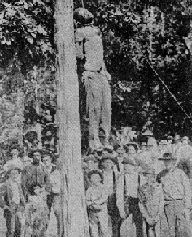
The Lynching

By McKay Claude

His Spirit in smoke ascended to high heaven.

His father, by the cruelest way of pain,

Had bidden him to his bosom once again;

The awful sin remained still unforgiven.

All night a bright and solitary star

(Perchance the one that ever guided him,

Yet gave him up at last to Fate’s wild whim)

Hung pitifully o’er the swinging char.

Day dawned, and soon the mixed crowds came to view

The ghastly body swaying in the sun.

The women thronged to look, but never a one

Showed sorrow in her eyes of steely blue.

And little lads, lynchers that were to be,

Danced round the dreadful thing in fiendish glee.


     While reading this line in the letter, keep in mind that Martin Luther King wanted to explain to the clergyman why it was so important to fight for civil rights. For the black community, the word lynching carried more import then its definition. That word represented a force that kept black people from attaining the dignity and rights they deserved. Among black people, there are few other words that invoked the feelings of fear and loathing as intensely. Martin Luther King called upon these feelings in order to make his point about how pressing the need for civil rights reform was.

    This poem above exemplifies the horror of lynching. It is exactly what Martin Luther King needed to spur black people to action. It both exalts the soul of the black man that has been murdered and condemns those who committed the evil deed. Perhaps the most stirring thing about the poem is the warning at the end, the warning that this one lynching evokes no sympathy from the perpetrators, but instead, plants the seeds for more people to commit this heinous act. It, more than anything else, showed the pressing need for civil rights action.

WB00882_.GIF (263 bytes)    Link to Lynching Website

WB01434_.gif (237 bytes)    Back to Letter Excerpt